Last updated November 21, 2026
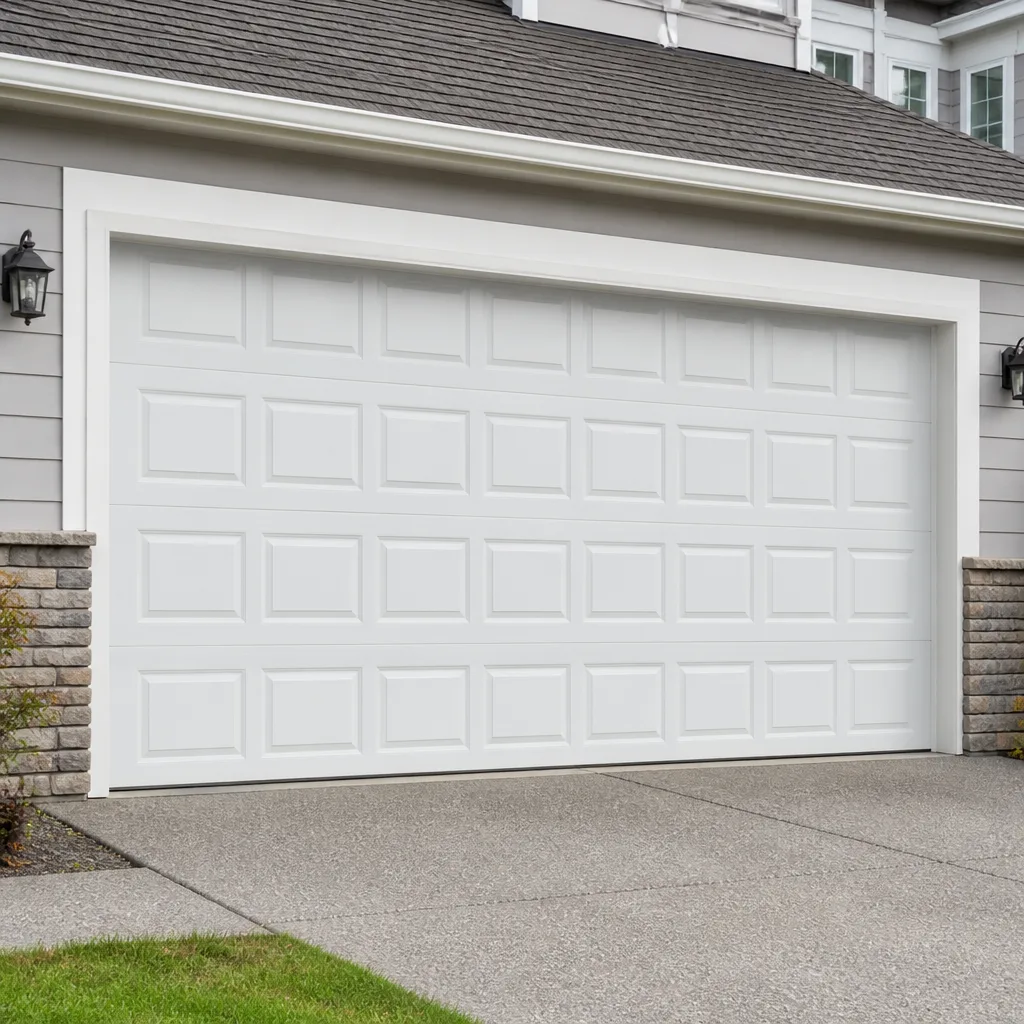 Raised-panel steel
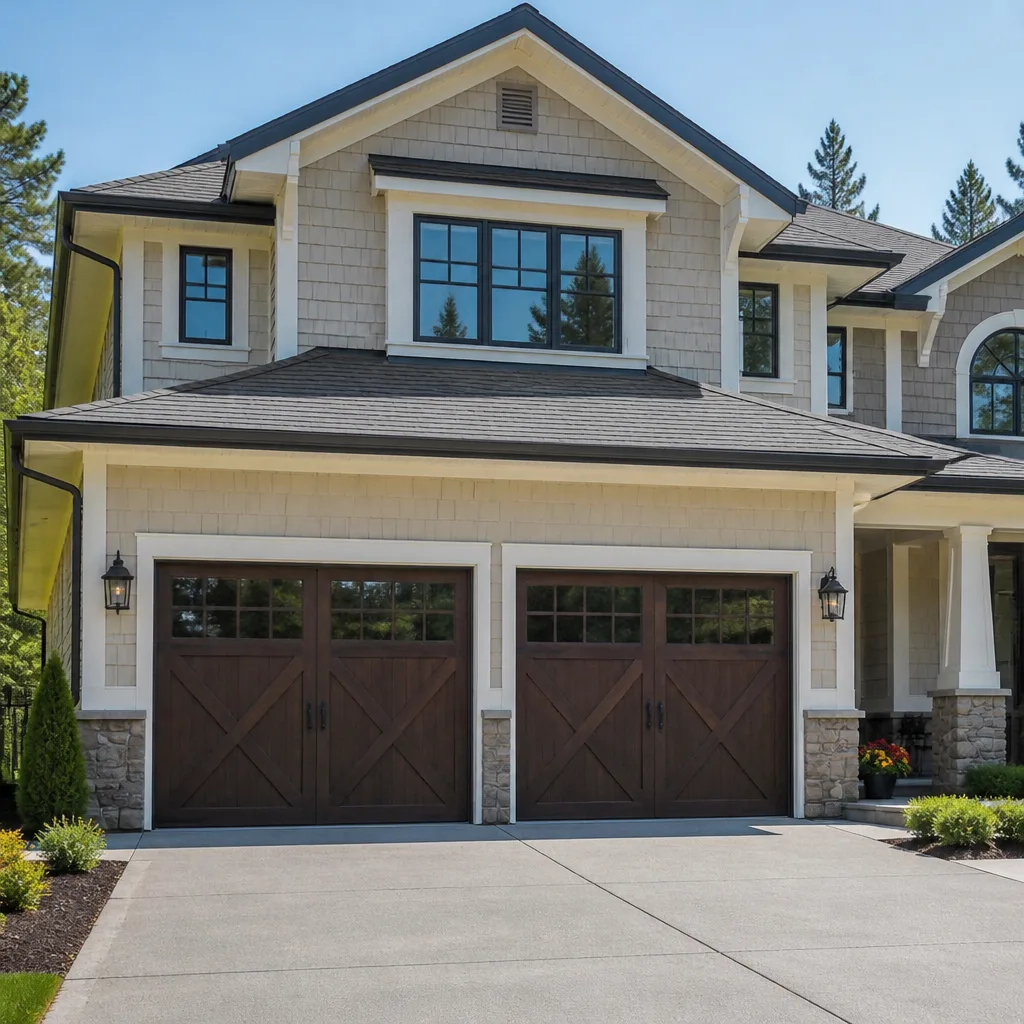 Carriage house
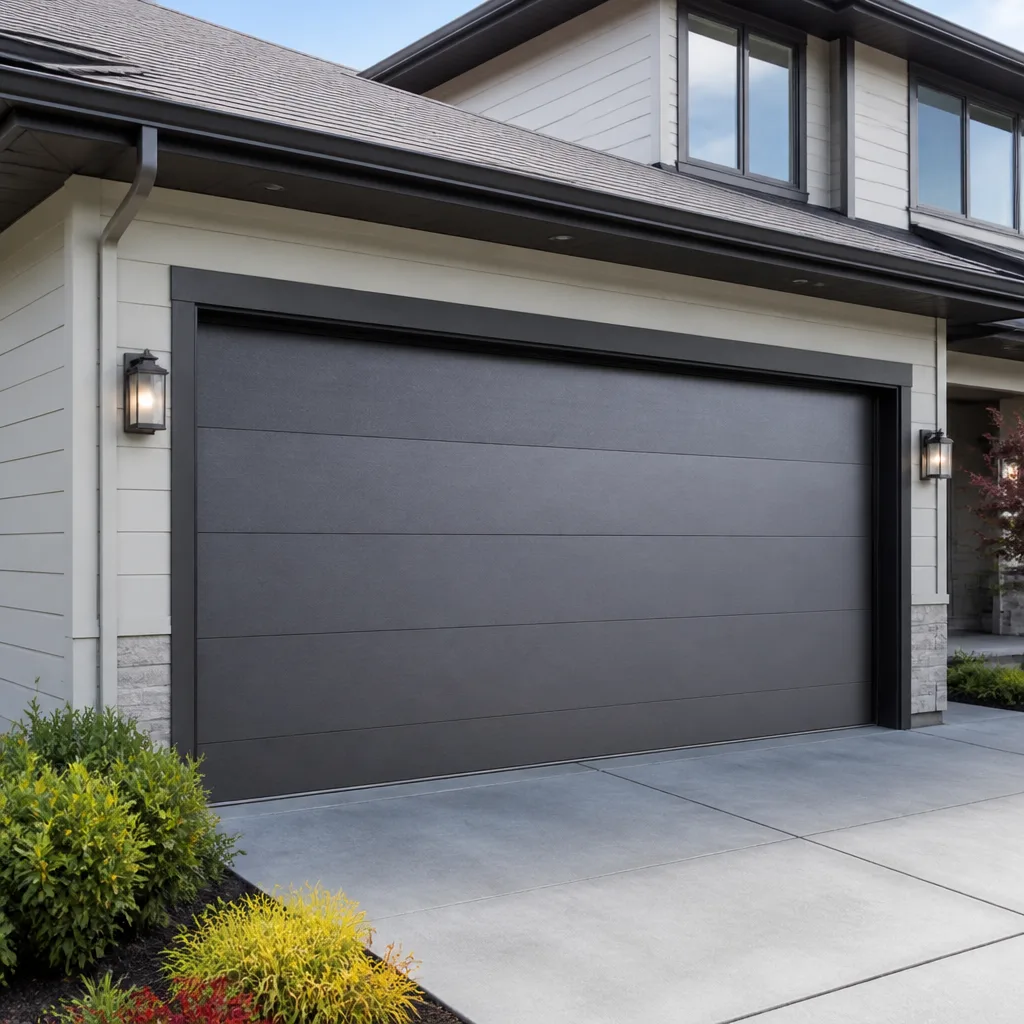 Modern flush
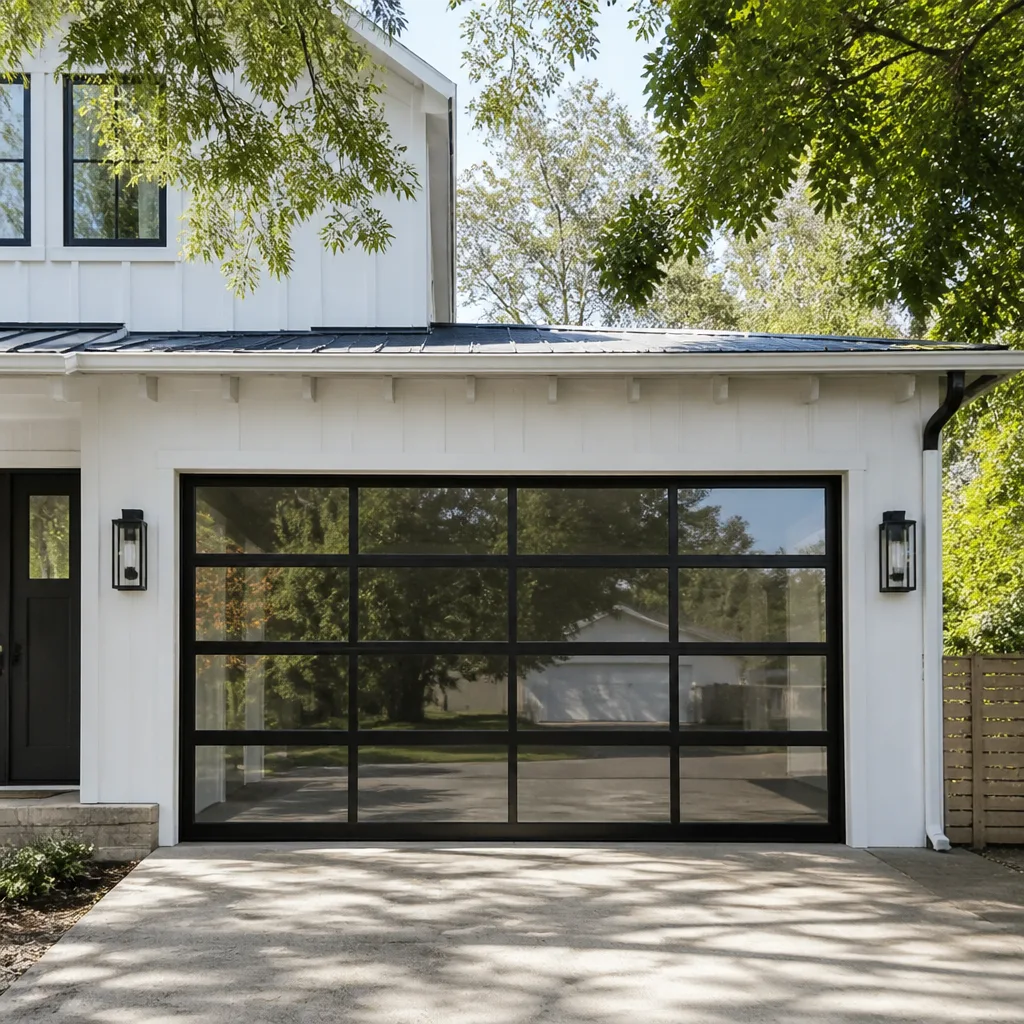 Full-view glass
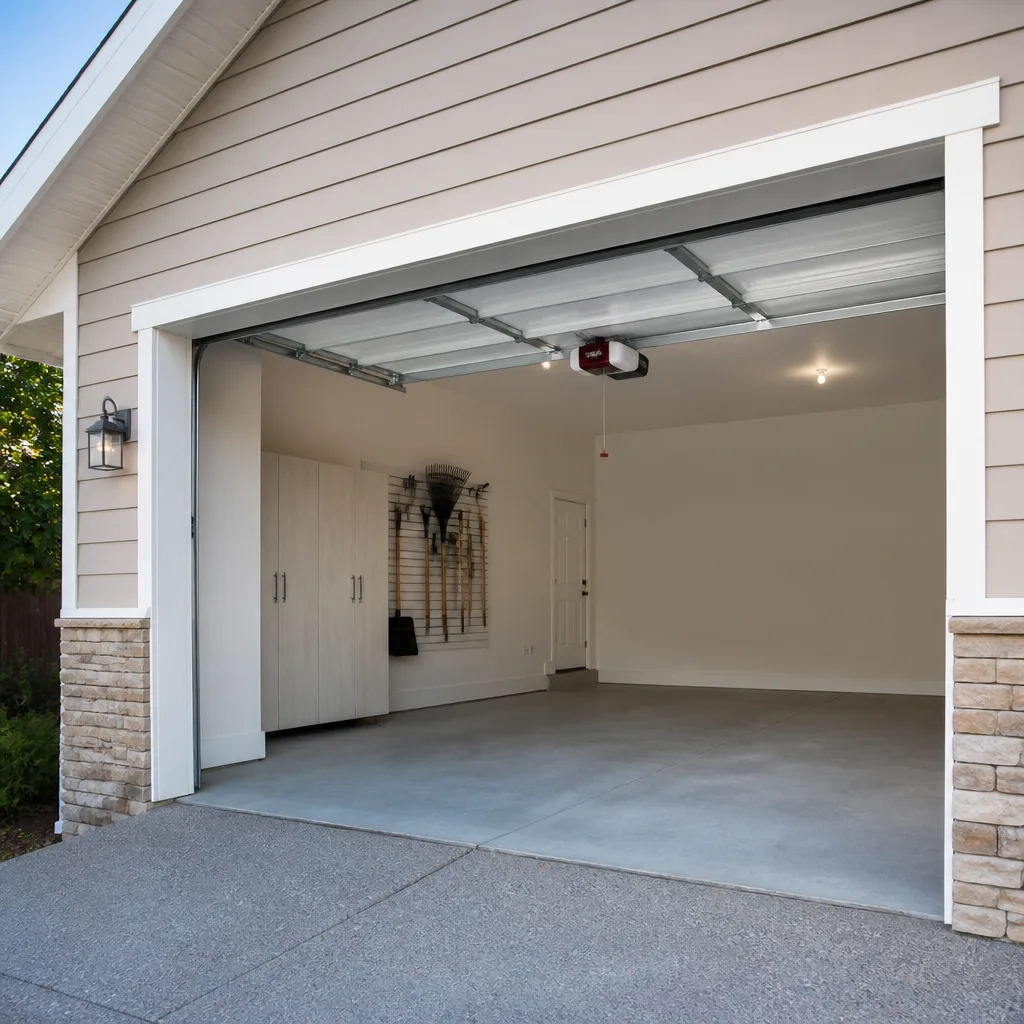 LiftMaster openers
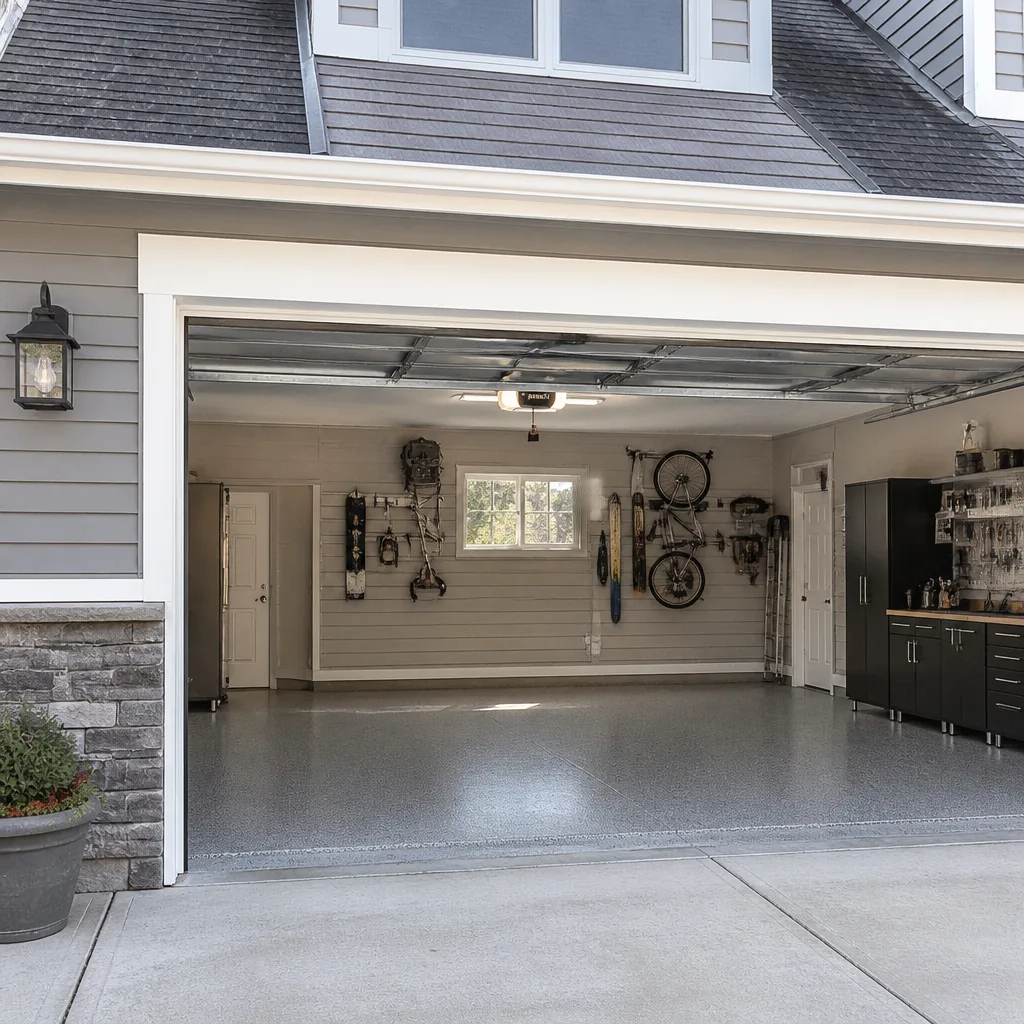 Chamberlain openers
Full 25-point door and opener safety check with every visit - springs, cables, rollers, tracks, and your LiftMaster or Chamberlain opener included
You get a price before we start. It does not change when the pro arrives.
Get your free estimateSeasonal Garage Door Care for Pine Hills: Year-Round Homeowner’s Guide
Applying a northern four-season maintenance schedule to a Florida garage door means you’re prepping for frost that won’t come and ignoring the humidity spike in June that will corrode your springs by August. Pine Hills doesn’t run on spring, summer, fall and winter. It runs on a wet season, a dry season, and a hurricane prep window wedged between them, and each stretch puts a different kind of stress on the heaviest moving part of your house. This guide walks through what actually matters here, month by month: sealing the door before the rain, verifying wind-load ratings before the storms, reading panel damage afterward, and keeping the hardware lubed through heat that cooks ordinary grease. By the end, you’ll know what to check yourself and what to leave alone.
Quick Answer
Seasonal garage door care in Pine Hills means three maintenance passes a year rather than four: a pre-wet-season inspection in April or May (weatherstripping, drainage, opener battery backup), a hurricane prep review before storm season peaks (wind-load rating, panel condition, manual release practice), and a dry-season check in late fall (UV damage to seals and finish, lubrication). Springs, cables and torsion hardware should be inspected by a trained technician, never adjusted by a homeowner. Everything else on this page is fair game for a Saturday morning with a ladder and a rag.
Styles & brands we work with
- Raised-panel steel
- Carriage house
- Modern flush
- Full-view glass
- LiftMaster openers
- Chamberlain openers
Table of Contents
- Why a Florida Garage Door Ages Differently
- The Pre-Wet-Season Checklist (April and May)
- Hurricane Prep: What “Rated” Actually Means
- Post-Storm Inspection: Cosmetic Dent or Structural Problem?
- Dry-Season Care: UV, Heat and Your Garage Interior
- The Year-Round Lubrication Schedule That Holds Up Here
- Opener and Battery Care Through Storm Season
- Common Mistakes to Avoid
- When to Call a Professional
Why a Florida Garage Door Ages Differently
A garage door in Pine Hills faces a workload a door in Ohio never sees. Sustained humidity softens and swells the wood frame around the opening. Afternoon heat cycles the steel panels through expansion and contraction most days of the year. Then storm season arrives with wind-driven rain that finds every gap in the weatherstripping. Your door is doing three jobs at once: keeping rain out, holding its alignment, and staying operable when the power drops. Each one degrades on a different timeline.
Here’s the part homeowners miss. The hardware that fails first usually isn’t the visible stuff. It’s the torsion spring above the door, which sits in still, humid air inside the garage and quietly corrodes while the door keeps working normally. A spring doesn’t announce itself. It works right up until it doesn’t, and then the door comes down hard or won’t lift at all. That’s why our garage door spring repair calls so often start with “it was fine yesterday.”
We work on the brand you already have, which matters more than people expect. A Wayne Dalton door from the 1990s and a newer LiftMaster-equipped door fail in completely different ways, and the right maintenance plan depends on which one is bolted to your wall. The rest of this guide assumes you know your brand, or that you’ll check the label on the inside of the panel before you start.
What changes with the seasons here
- Wet season (roughly June through September): rain intrusion at the bottom seal, humidity corrosion on springs and hinges, power outages from storms.
- Hurricane window (peaks late summer into fall): wind pressure on panels, track distortion, the need to open the door manually.
- Dry season (late fall into spring): UV damage to rubber seals and paint, heat buildup inside the garage, dust and grit in the tracks.
Three phases, not four. Plan your maintenance around them and you’ll stop chasing problems that don’t exist here while catching the ones that do.
The Pre-Wet-Season Checklist (April and May)
The single most useful thing you can do for a Pine Hills garage door is spend an afternoon on it in April or May, before the afternoon storms settle in for the summer. This is when small failures are cheap to fix and easy to spot. By July, the same gap in your weatherstripping has been driving water into the frame for weeks.
What to check, in order
- Weatherstripping integrity. Run your hand along the bottom seal and the side and top trim. Look for cracks, flattened sections, and gaps where the seal no longer touches the floor. A seal that’s lost its spring lets wind-driven rain straight in.
- Drainage at the door base. Water should flow away from the threshold, not pool against it. Check that the grade outside the door slopes away and that nothing (mulch, pavers, planters) has built up against the bottom of the opening.
- Opener battery backup. If your opener has a battery backup, test it now, not during a storm. Unplug the opener from the wall, run the door once, and confirm it operates. If it doesn’t, replace the battery before June.
- Track and roller condition. Look for rust on the rollers, debris in the tracks, and any looseness in the track brackets. Humidity accelerates all three.
- Panel and frame seal. Check the caulk line where the frame meets the wall. Cracked caulk around a Pine Hills garage opening is a slow leak into the framing.
If your weatherstripping is more crack than rubber, that’s a straightforward fix and worth doing before the rains. If you’re seeing rust on rollers or the door is starting to bind, that’s a garage door repair conversation, and it’s much easier to have it in May than in the middle of a downpour with a door stuck open.
Hurricane Prep: What “Rated” Actually Means
“Hurricane-rated” on a garage door is not a marketing phrase, and it’s not a single number. It’s a wind-load rating tied to your specific door, your specific opening size, and the design pressure your area is built to. Two doors of the same size can carry different ratings, and a door rated for one opening may not be rated for another. The rating lives on a label on the door itself and in the manufacturer’s documentation, and it’s the only thing that counts when you’re verifying compliance.
How to verify your door’s rating
- Find the rating label on the inside of a panel or on the door’s edge. It lists the design pressure the door was tested to.
- Compare that rating to what your local building department requires for your opening. If you’re unsure what applies to your home, call the city or county building department and ask. They’ll tell you what standard your door needs to meet.
- Check the door’s condition against the rating. A rated door with a bent track, a missing strut, or a compromised panel no longer performs to its label.
- Confirm the reinforcement hardware is intact. Rated doors often rely on horizontal struts or specific bracket hardware to hold their rating. If any of it is missing or loose, the rating is theoretical.
Practice the manual disconnect before you need it
Every garage door opener has a manual release, usually a red cord hanging from the trolley. When the power goes out, that cord is how you get the door open. Practice it now, while it’s calm and the door is working. Pull the release, lift the door by hand, and confirm it moves freely and that you can re-engage the trolley. If the door won’t lift by hand or feels impossibly heavy, the spring has likely lost tension and the door needs professional attention before storm season, not during it.
A door that opens by hand when the power is out is a door you can get your car out from under. A door that’s jammed shut with no manual release you’ve tested is a different problem entirely. This is worth an hour of your spring.
Post-Storm Inspection: Cosmetic Dent or Structural Problem?
After a storm passes, the question isn’t just “is the door dented” but “does the door still do its job.” A dent in a steel panel can be purely appearance, or it can be the visible sign of a panel that’s lost structural integrity and no longer holds its rated wind resistance. The difference matters, and you can usually tell by looking at three things: the panel itself, the tracks, and how the door moves.
Cosmetic damage
- A shallow dent or crease in one panel with no cracking, no separation at the seams, and no change in how the door opens and closes.
- Scuffed paint or finish from debris, with the panel structure intact.
- Bent or displaced trim that isn’t part of the door’s structural assembly.
Structural concerns
- A panel that’s cracked, split at a seam, or separated from its frame.
- Tracks that are visibly bent out of line, or a door that scrapes, binds, or won’t close flush after the storm.
- Any visible gap between panels, or a door that now sits unevenly in the opening.
- Springs or cables that look disturbed, and a door that suddenly feels much heavier or drops when you lift it.
If you see any of the structural signs, stop operating the door and get it looked at. A compromised panel that’s still being cycled by the opener is a safety problem, not just a cosmetic one. Our garage door opener repair team also gets called after storms for openers that took a power surge, so if the door moves fine but the opener is dead, that’s a separate, usually simpler, fix. And if a stuck door is what you’re dealing with right now, the Pine Hills Garage Door Repair Pros team treats that as an emergency, not a scheduling request.
Dry-Season Care: UV, Heat and Your Garage Interior
Here’s a Florida garage door fact that surprises people: in the dry season, the inside of your garage often runs hotter than the outside air. A west-facing door takes direct sun through the afternoon, the steel heats up, and the garage holds that heat like a box. That heat does two things to your door. It accelerates UV degradation of the rubber seals and the paint finish, and it cycles the metal through expansion and contraction that loosens fasteners over time.
What to check in the dry season
- Bottom seal and trim rubber. Look for cracking, hardening, and color fade. A UV-baked seal loses its flexibility and stops sealing before it visibly fails.
- Paint and finish. Chalking, fading, or a flat, powdery look on the panels means the finish is breaking down. Left alone, it lets moisture reach the steel.
- Fasteners and hinges. Heat cycling loosens bolts and hinge screws. A quick tighten with the right tool prevents the sag and rattle that follow.
- Window inserts and glazing. UV breaks down the sealant around window panels; check for cloudiness or separation.
- Interior heat. If your garage holds heat, leave the door cracked for airflow when safe, or add ventilation, and keep heat-sensitive items off the floor near the door.
Dry-season is also the right time to schedule a new-door measure if your panels are past saving. This is measured, ordered and scheduled work, not same-day work, so plan it in the dry months and give the manufacturer’s lead time room in your calendar.
The Year-Round Lubrication Schedule That Holds Up Here
Generic garage door grease is built for climates that don’t have Pine Hills humidity. In sustained heat and moisture, ordinary grease thins, migrates, and turns into a dust magnet. What you want is a lubricant that stays where you put it and doesn’t attract grit. The short answer: a silicone-based spray or a white lithium grease for the moving metal, and nothing that stays tacky on the tracks.
What to lubricate and how often
- Hinges, rollers and torsion hardware: a light silicone spray, applied a few times a year, more often through the wet season. Wipe off excess.
- Tracks: a thin film of silicone spray only. Never grease the tracks; grease collects dust and metal shavings and turns the track into sandpaper.
- Springs: a very light silicone coat on the coils to slow corrosion. Do not touch, test, or adjust a spring’s tension, ever. Lubricate only what’s safe to reach, and leave the rest.
- Opener chain and rail: a chain-drive opener gets a light lubrication on the chain a couple of times a year; belt-drive openers generally need less.
- Weatherstripping: a silicone protectant on the rubber keeps it pliable through the dry season’s UV.
Our technicians have up to 11 years of experience, and most will tell you the same thing: the doors that last are the ones that get a light, regular lubrication pass rather than an annual deep greasing that over-applies and attracts dirt. Little and often beats a lot, once.
Opener and Battery Care Through Storm Season
Your opener is the electronic half of the system, and storms stress it in two ways: power surges and outages. A battery backup is the difference between a door you can operate in an outage and a door you have to disconnect and lift by hand. If you’re running a LiftMaster or a Chamberlain unit, battery backup is often built in, and the test is simple: unplug the opener and run the door. If it works, you’re covered. If it doesn’t, the battery needs replacing before the next storm.
A simple storm-season opener routine
- Test the battery backup in late spring, before storm season.
- Check the safety sensors at the bottom of the tracks for dirt, misalignment or a blocked beam. A dirty sensor stops the door from closing and looks like a total failure.
- Clear debris and dust from the opener housing vents; heat plus dust is hard on the electronics.
- If the opener is older and cycling oddly (short travel, stopping, reversing), get it checked before a storm strands you with a door that won’t close.
- Keep the remote batteries fresh, and know where your wall control is, since it’s your fallback when remotes fail.
A Craftsman or Raynor opener that’s been reliable for a decade is usually worth servicing rather than replacing. A quick diagnostic tells you which. Either way, do the check in calm weather.
Common Mistakes to Avoid
- Running a northern four-season checklist. You’ll spend time on freeze protection that doesn’t apply here and skip the humidity and storm prep that does. Build your schedule around the wet season, the hurricane window and the dry season instead.
- Greasing the tracks. Grease collects dust and grit and turns the tracks into a grinding surface. Use a thin silicone film, not grease.
- Adjusting springs yourself. Torsion and extension springs are under enormous tension. This is not a DIY repair, and we mean that literally. A slip can cause serious injury. Leave tension work to a trained technician.
- Skipping the battery backup test. Homeowners in Pine Hills discover their backup failed during the outage, not before it. Test it in calm weather and replace the battery then.
- Assuming a hurricane rating covers a damaged door. A bent track or a compromised panel changes how the door performs, whatever the label says. Inspect after storms, not just before.
- Ignoring UV damage to seals. A hardened, cracked bottom seal stops sealing long before it looks obviously broken. Check it in the dry season, not after the first wet-season leak.
- Letting a slow opener drift. A door that reverses, stops short, or travels unevenly is a symptom. Waiting until it fails completely in storm season is the expensive path.
When to Call a Professional
Call a professional for anything involving spring tension, cables, or a door that’s off its tracks. Also call if a panel is cracked or separated after a storm, if the door won’t close flush, if the opener reverses or stops short, or if you’ve tested the battery backup and it doesn’t work. If your door is stuck open, stuck closed, or hanging off a track right now, that’s an emergency and we treat it as one. If you’re planning a full new-door installation, that’s measured, ordered and scheduled work, and we’ll come out to measure and give you a written price before anything is ordered. Pine Hills Garage Door Repair Pros offers free estimates in Pine Hills. Call (833) 718-2605 and we’ll take it from there. The price is quoted and agreed before any work starts, and the written estimate sets the final price.
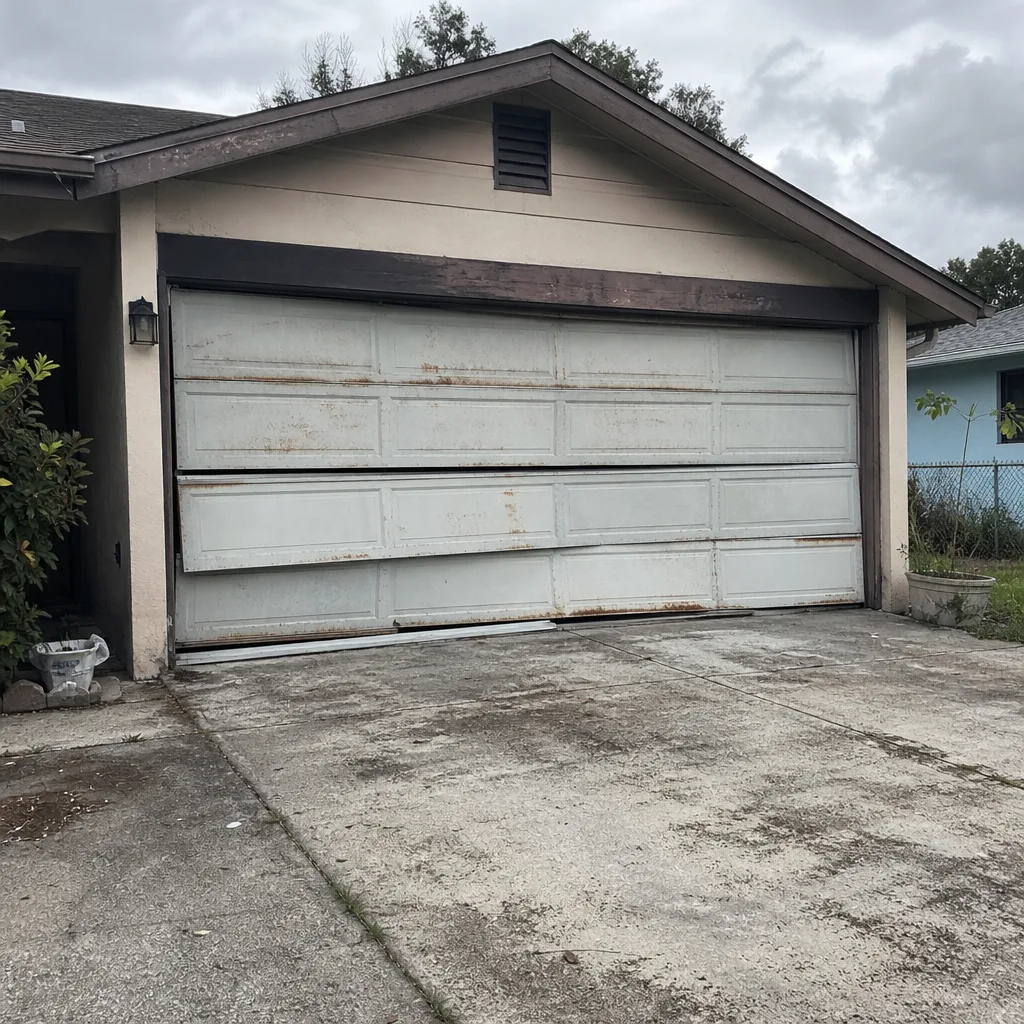
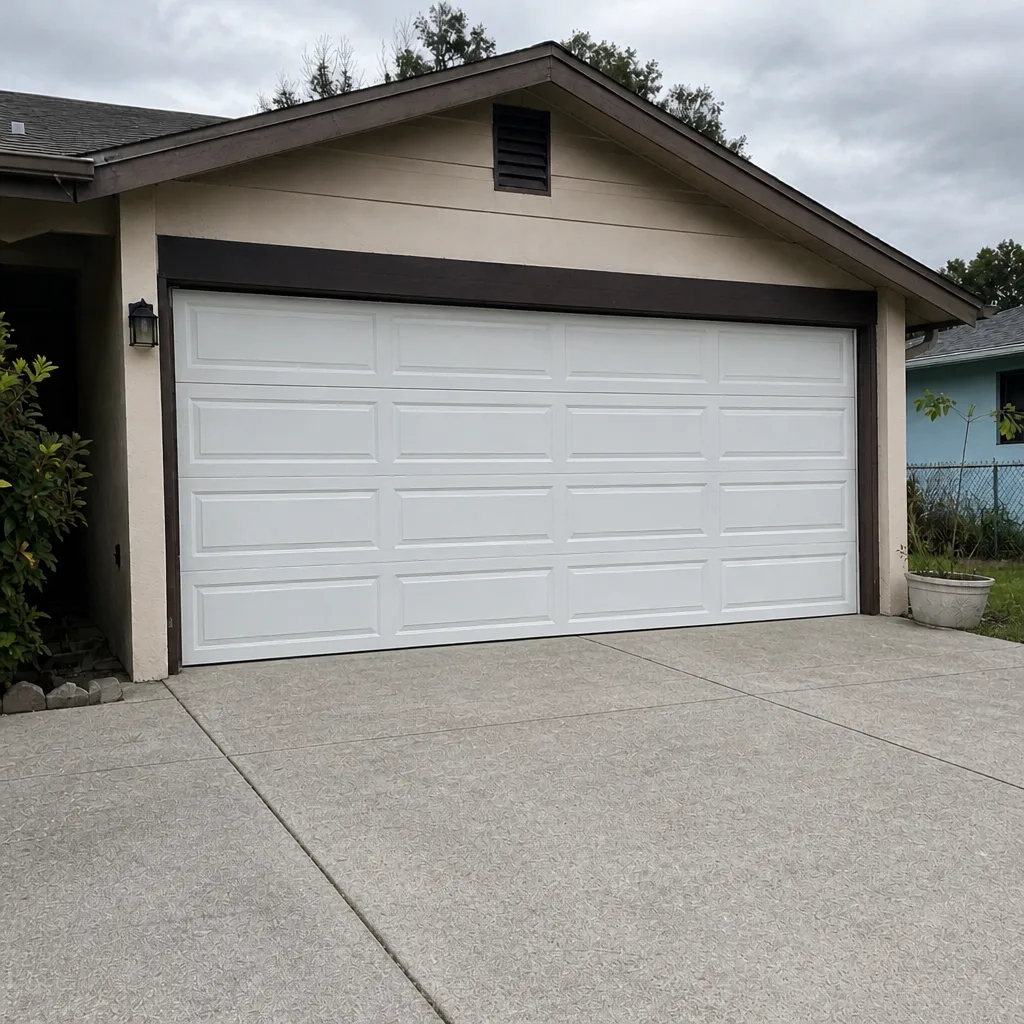
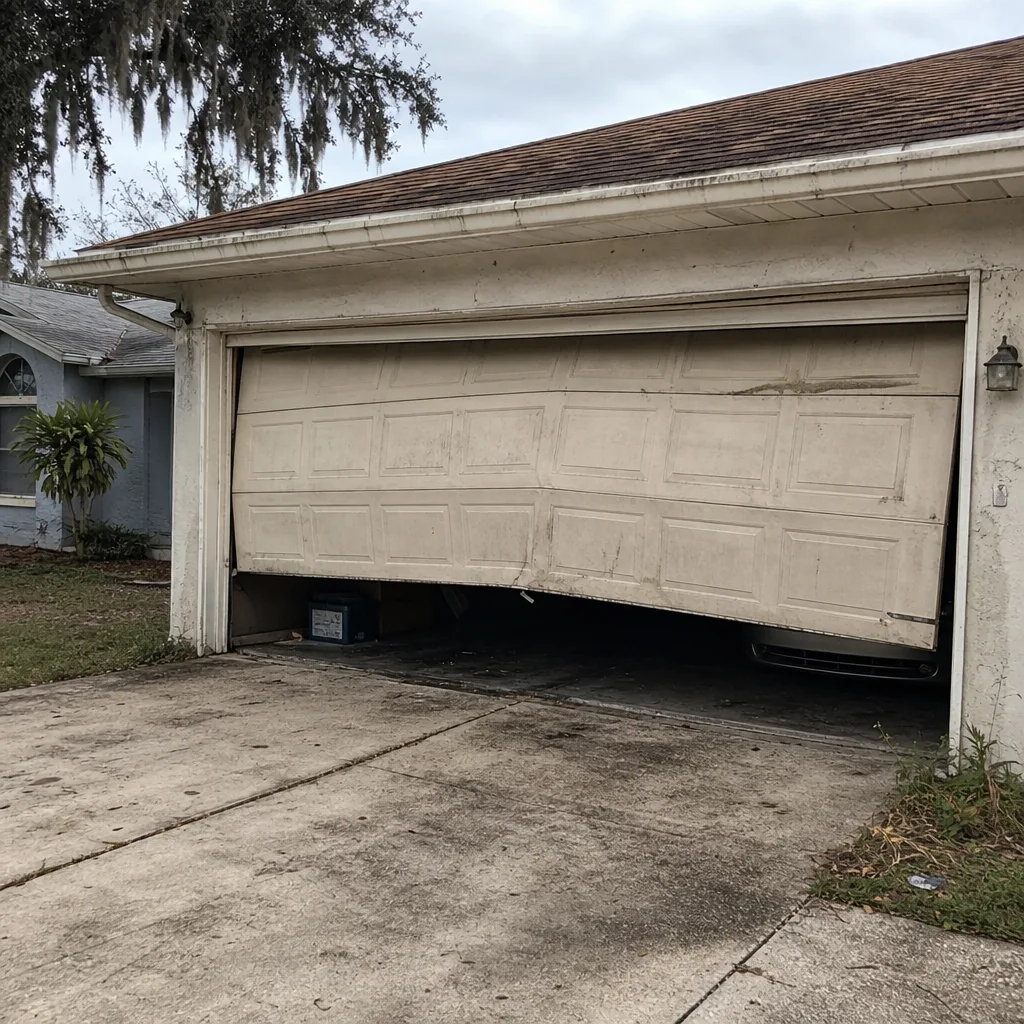
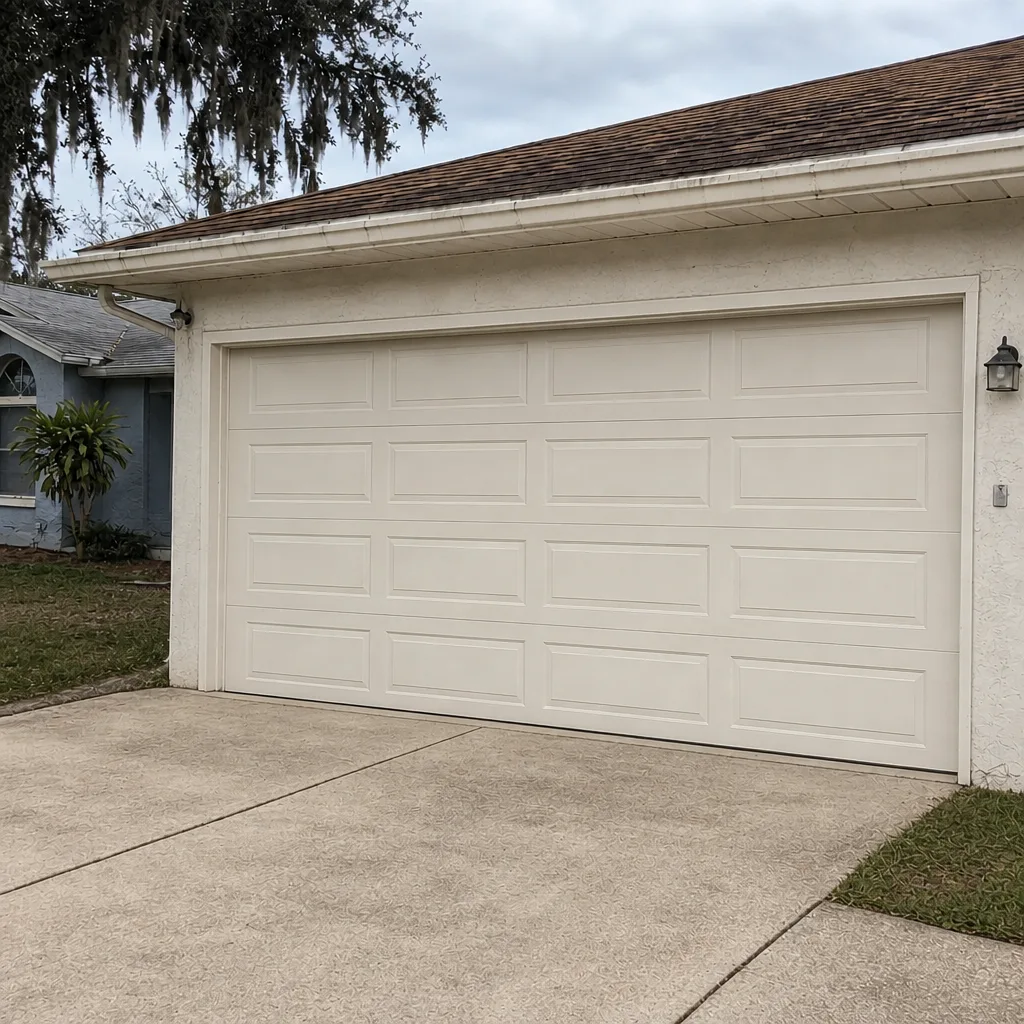
See the difference
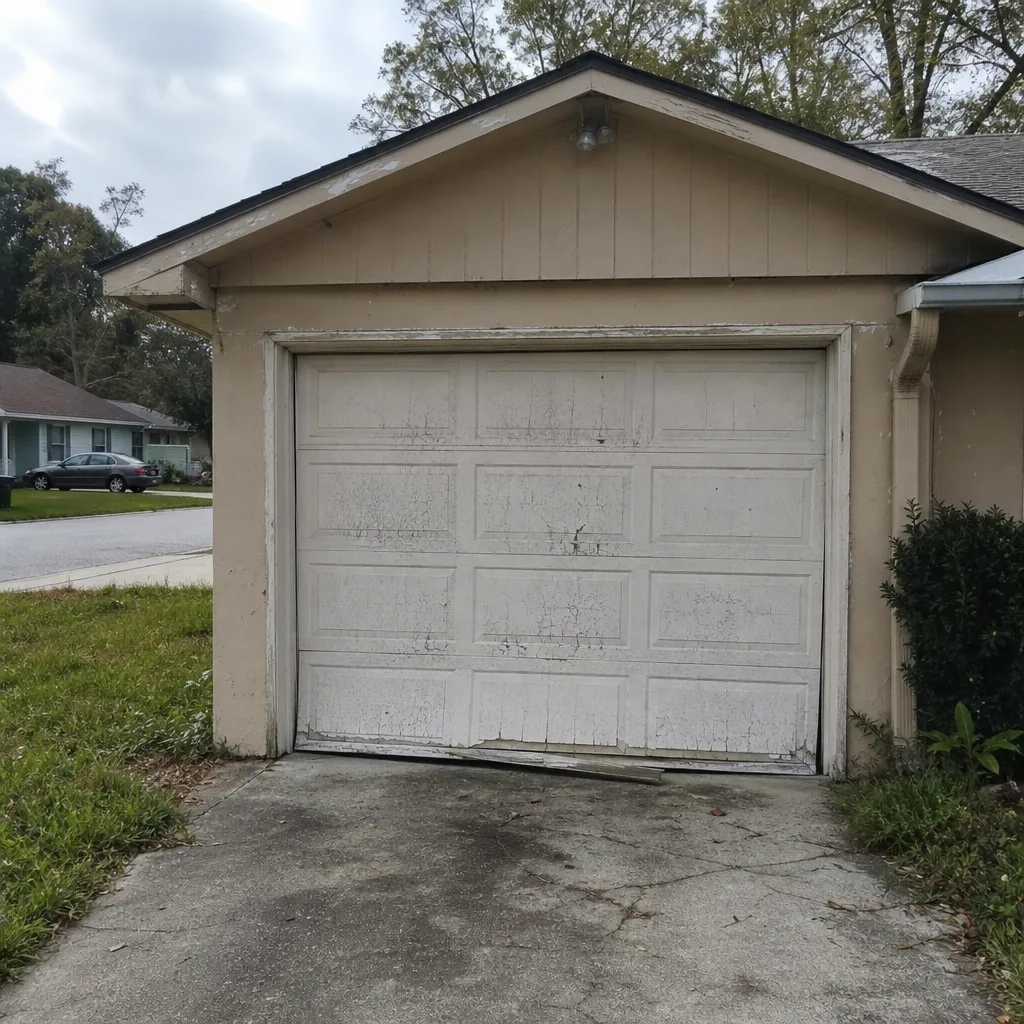 Before
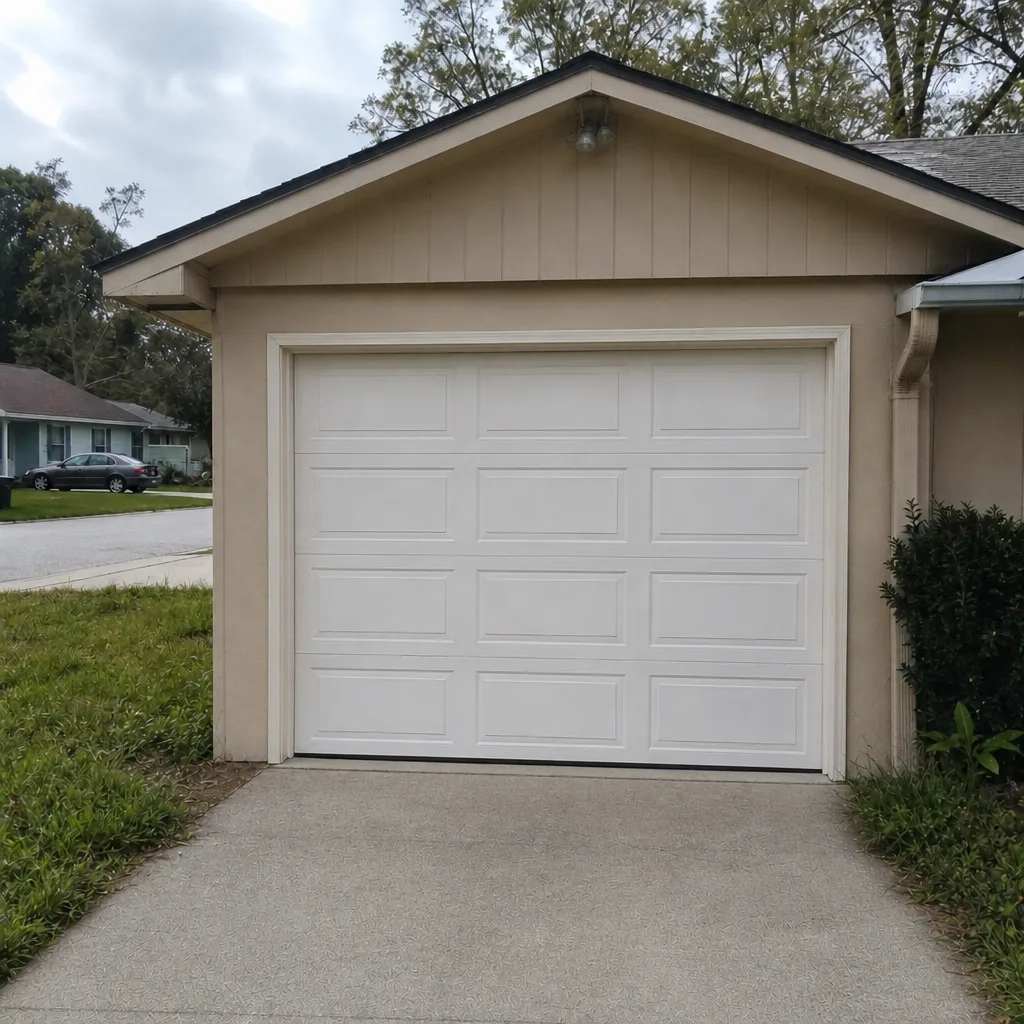 After
 Before
 After
 Before
 After
Frequently Asked Questions
Three times a year is the right rhythm here: a pre-wet-season check in April or May, a hurricane prep review before storm season peaks, and a dry-season pass in late fall. That covers sealing, storm readiness and UV wear better than the twice-a-year schedule that suits cooler climates. Call (833) 718-2605 if you’d rather have a trained technician run the inspection.
Yes, and test it before storm season, not during it. Unplug the opener and run the door; if it doesn’t operate, the battery needs replacing. A backup that fails during an outage leaves you with a door you have to disconnect and lift by hand. Book a check with us at (833) 718-2605 if your opener’s not behaving.
It depends on what else moved. A shallow dent with no cracking, no track damage and normal door movement is usually cosmetic. A cracked, split, or separated panel, or one that leaves the door scraping or unflush, needs professional inspection before you keep cycling the door. Call (833) 718-2605 and we’ll tell you which you have.
Find the rating label on the door or its manufacturer documentation, then confirm with your local building department what standard applies to your opening. A rating only counts if the door and its reinforcement hardware are intact. If you’re unsure, we’ll inspect it: call (833) 718-2605.
You can safely lubricate hinges, rollers, the opener rail and the weatherstripping yourself with a silicone spray. Leave the springs and cables alone. If you’re not sure what’s safe to touch or the door’s already binding, call (833) 718-2605 for a check.
Stop operating it and treat it as an emergency. A door off its tracks or stuck open or closed is a safety and security issue, and we handle emergency garage door calls for exactly this. Call (833) 718-2605 and we’ll get it looked at quickly.
The Bottom Line
Pine Hills doesn’t ask for a four-season garage door plan. It asks for three passes: seal the door before the wet season, verify the rating and practice the manual release before hurricane season, and address UV wear and lubrication in the dry months. Test your battery backup before you need it. Never touch spring tension yourself. Keep the tracks silicone-dry, not greased. When something moves that shouldn’t, or the opener starts acting up, get it in front of someone who works on garage doors every day. That’s the whole schedule, and it’s enough to keep the door working through the heat, the rain and the storms.
Get a Free Estimate
Whether you’re sealing the door before the rains, verifying a storm rating, or replacing a panel past saving, Pine Hills Garage Door Repair Pros is here to help. Garage doors are all we do, from a single broken spring to a full new door. Call (833) 718-2605 for a free estimate and a written price before any work starts.
Written by the team at Pine Hills Garage Door Repair Pros.