Last updated November 21, 2026
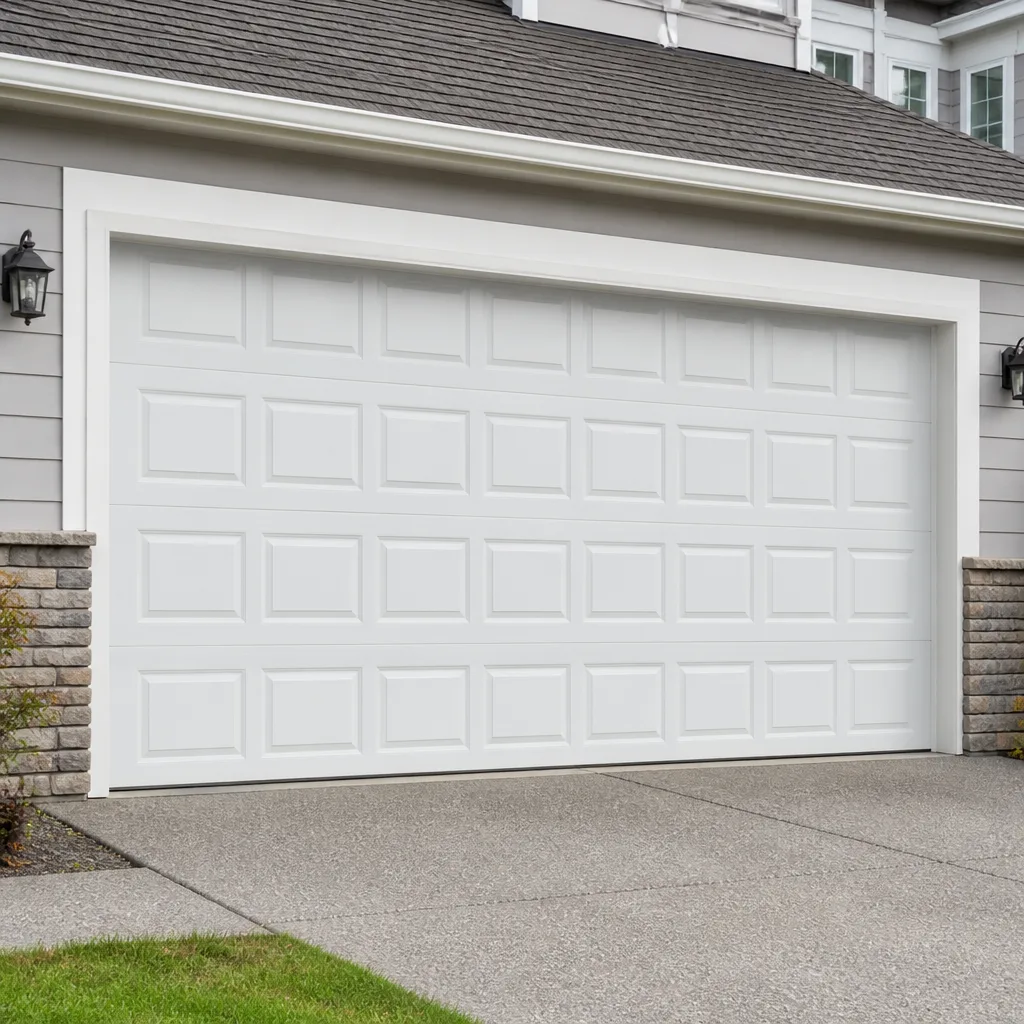 Raised-panel steel
 Carriage house
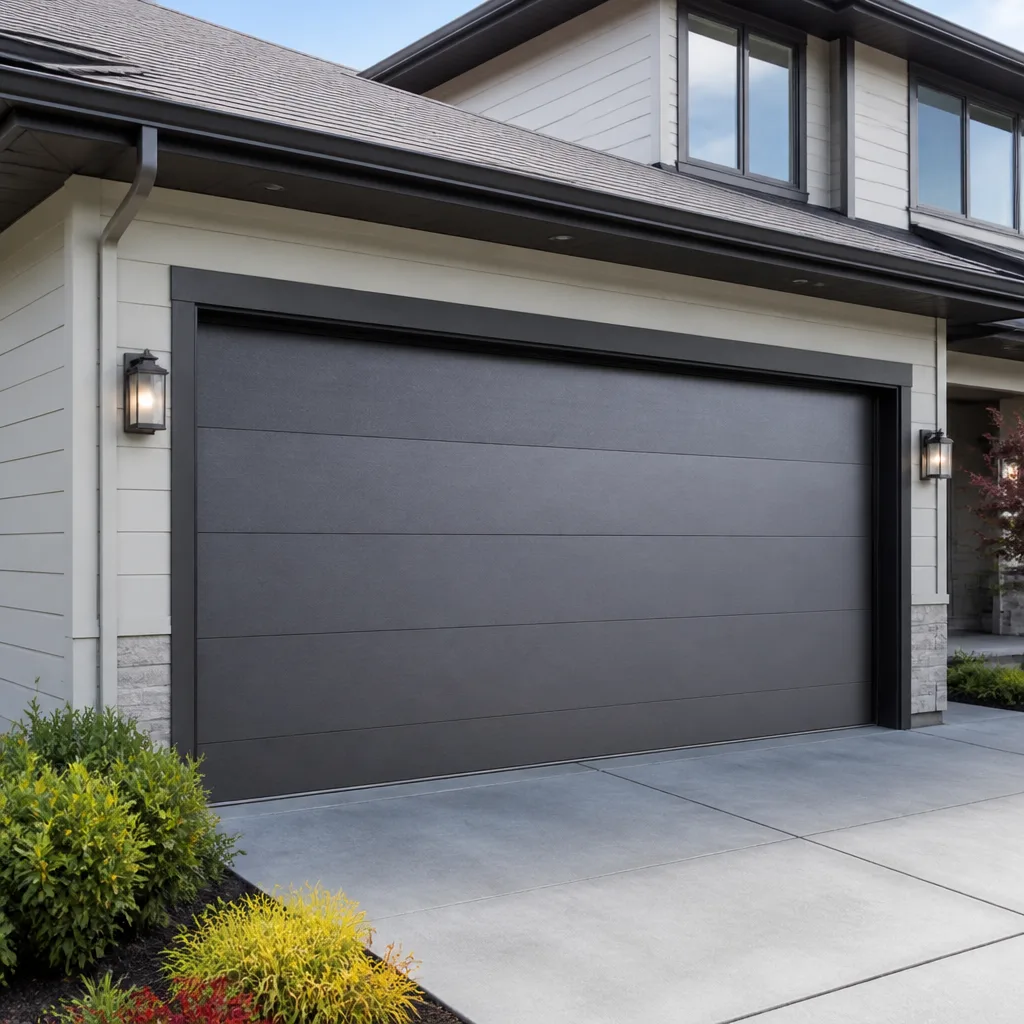 Modern flush
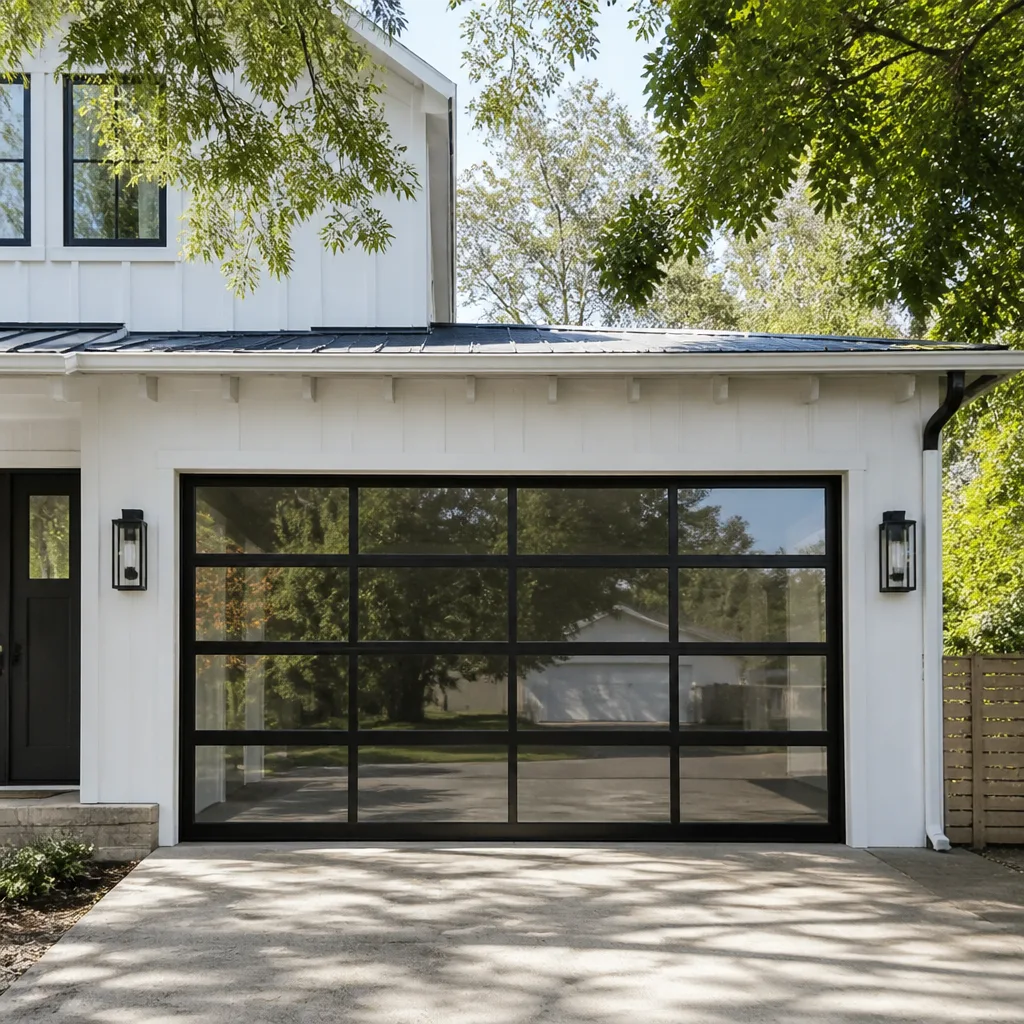 Full-view glass
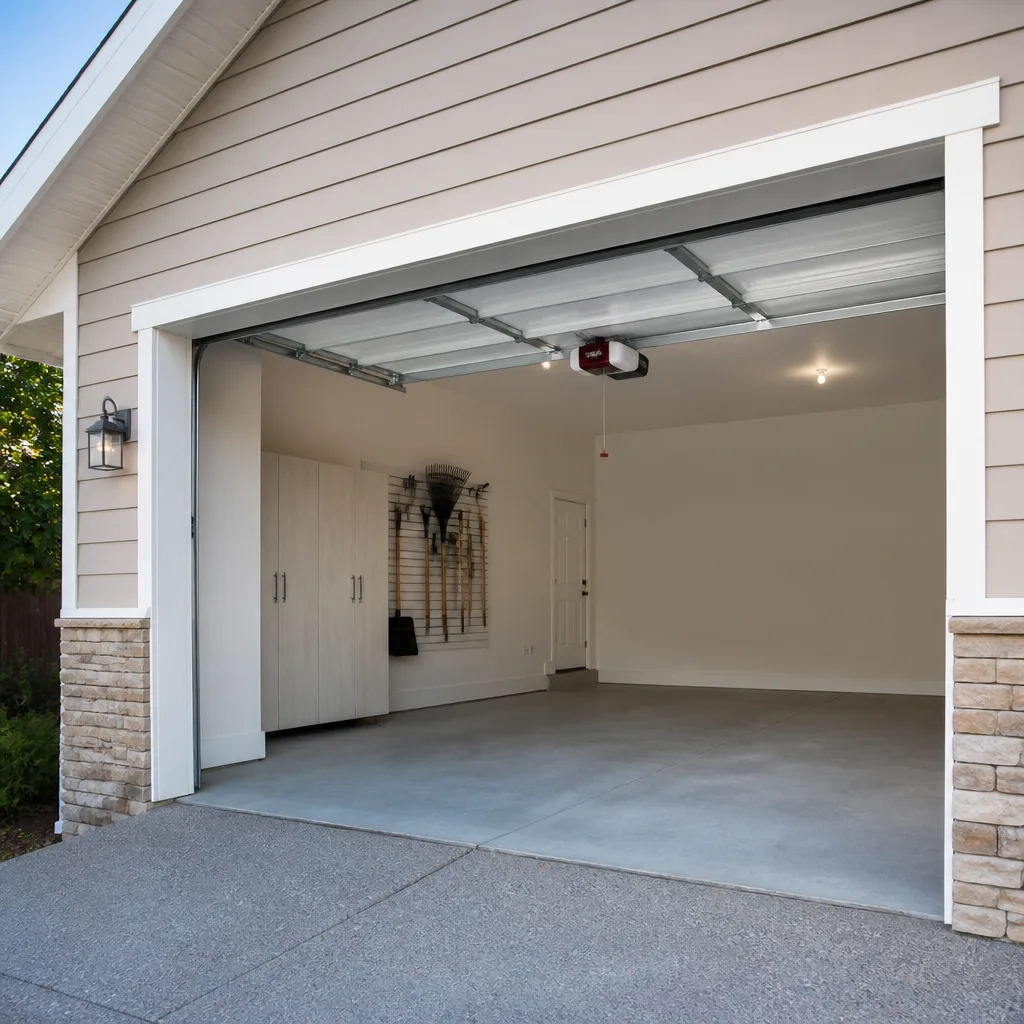 LiftMaster openers
 Chamberlain openers
Full 25-point door and opener safety check with every visit - springs, cables, rollers, tracks, and your LiftMaster or Chamberlain opener included
You get a price before we start. It does not change when the pro arrives.
Get your free estimateGarage Door Repair Maintenance Checklist for Pine Hills Homeowners
A torsion spring rated for 10,000 cycles in Minnesota may hit failure early in Central Florida because heat and humidity accelerate metal fatigue. That’s the part most printable checklists miss. They’re written for a four-season climate and then handed to homeowners in a place where the door hardware is wet half the year and baking the other half. Your springs, rollers, hinges and opener all live on a schedule the local weather sets. This guide is calibrated to Pine Hills, and it’s the checklist we’d hand a neighbor if they asked what to actually look at, and when. You’ll learn what to inspect monthly, what to inspect seasonally, how to test safely without touching the hardware, and what to log so you’re never starting from scratch.
Styles & brands we work with
- Raised-panel steel
- Carriage house
- Modern flush
- Full-view glass
- LiftMaster openers
- Chamberlain openers
Quick Answer
A garage door maintenance checklist in Pine Hills should include a monthly visual pass (weatherstripping, rollers, hinges, panel alignment), quarterly lubrication with a silicone- or lithium-based product, twice-a-year balance and safety-reverse tests, and a professional spring-and-cable inspection roughly once a year. Humidity and year-round heat cycle the hardware harder than a four-season climate does, so the schedule matters more here than most printed checklists suggest. Everything that involves springs, cables or the torsion shaft should be inspected from a distance and left to a trained technician.
Table of Contents
- Why a Pine Hills Maintenance Schedule Looks Different
- The Monthly Five-Minute Walk-Around
- Lubrication in Florida Heat: What Works and What Gums Up
- Bottom Weatherstripping, Pest Pressure and Standing Water
- How to Test Balance and Spring Health Without Touching the Hardware
- Opener Sensitivity and Auto-Reverse: The Safety Check Most People Skip
- What to Log After Every Inspection
- Brand Notes for Common Pine Hills Doors and Openers
- Common Mistakes to Avoid
- When to Call a Professional
- Frequently Asked Questions
- The Bottom Line
Why a Pine Hills Maintenance Schedule Looks Different
Most garage door maintenance advice online is written by people whose winters crack concrete and whose springs spend months in dry cold air. Pine Hills doesn’t have that problem. What we have instead is thick humidity, warm nights, and enough heat through the year that the hardware inside your garage never really gets a cold, dry reset. Metal expands during the day and contracts overnight, then does that again every single day. Over a year that’s hundreds of small thermal cycles on the same torsion spring and the same set of rollers. It’s not dramatic, and you won’t notice it happening, but it adds up faster than most homeowners expect.
The other factor is moisture. Humidity alone doesn’t rust a spring overnight, but humidity plus the dust and grit that collect in an attached garage will. Lubricant that’s too light attracts grit, and grit is the abrasive that eats a roller from the inside. Rubber weatherstripping on the bottom of the door is another piece that ages faster here because it’s soft, warm, and in near-constant contact with a concrete slab that holds moisture after rain.
None of this means your door is in trouble. It just means the calendar matters. If you use a generic northern checklist that says “lubricate twice a year”, you’ll likely end up under-lubricating moving parts that see pressure every day, or over-lubricating with a product that’s wrong for the climate. A Pine Hills schedule leans toward more frequent, lighter lubrication with a product that holds up to heat, and a closer eye on weatherstripping and pest damage than a Minnesota guide would ever mention.
We work on this every day at Pine Hills Garage Door Repair Pros, and the pattern is consistent. The doors that last longest here are the ones whose owners treat maintenance as a monthly habit rather than a once-a-year event. That’s what this checklist is built around.
The Monthly Five-Minute Walk-Around
Do this once a month, with the door closed, and you’ll catch most small problems before they turn into a broken door. Five minutes with a flashlight is the whole job. No tools required.
- Look at the bottom seal. With the door closed, check for cracks, tears, a sagging corner or a gap against the floor. If you can see daylight underneath, the seal is either worn or the door is out of adjustment.
- Check the rollers and hinges. Open the door halfway and look at the rollers on each side. They should roll smoothly, not wobble, and the nylon or steel should not be cracked. Look for loose hinge screws while you’re there.
- Scan the tracks. They should look straight and clean. If you see dents, kinks, or a track that’s clearly pulling away from the jamb, stop using the door before you call.
- Listen to the door as it moves. Operate it once and listen. Grinding, squealing, popping or a scraping sound is your warning system. A door that was quiet last month and isn’t now is telling you something changed.
- Look up at the springs and cables, from the floor. Never reach for them. Just look. A spring with visible gaps, a rusty coil, or a cable that’s frayed or hanging slack is a stop-and-call situation.
That’s the whole monthly pass. If everything looks fine, you’re done. If something doesn’t, note it in the log we cover further down and schedule a look.
Lubrication in Florida Heat: What Works and What Gums Up
Here’s where a lot of well-meaning maintenance goes sideways. The right lubricant for a Central Florida garage is one that stays put through heat, doesn’t run off the rollers, and doesn’t collect grit. The wrong one looks fine for a week and then turns into paste.
What to use: a silicone-based spray or a lithium-based grease on hinges, rollers, the torsion shaft bearings and the door’s hinges. These hold up to heat and don’t attract dust the way tackier products do. A dedicated garage door lubricant is worth the few extra dollars if you’re buying for this specific job.
What to avoid: WD-40 as a lubricant, cooking oil, and thick wheel-bearing grease. WD-40 is fine as a water displacer but it’s not a lubricant and it will dry off within days, leaving rollers running metal on metal. Cooking oil goes rancid and attracts grit. Heavy grease is the worst offender in Florida heat – it turns into a sticky layer that catches every bit of dust and sand that comes in on the tires, and within a few weeks your rollers feel like they’re moving through sand. You’ll notice it as a door that starts slow and gets louder every week.
How often in Pine Hills: light lubrication on the hinges and rollers about every three months, and a fresh application on the torsion shaft bearings once or twice a year. If your garage is unconditioned, faces west, or the door sees heavy daily use, err on the shorter side of that schedule. If you garage a car that tracks in grit off a driveway, you’ll want to clean the rollers with a dry cloth before each application.
How much: a light coat, not a soaking. A little silicone on the roller stem and hinge pivot is enough. Cables and springs should never be greased by a homeowner. Leave those alone.
Bottom Weatherstripping, Pest Pressure and Standing Water
The bottom seal is the cheapest part on your door and the one that does the most work. It keeps water off the floor of the garage, keeps insects and small animals out, and closes the gap that makes the whole house feel drafty. In Pine Hills, it also takes a beating from the two things it’s designed to keep out: water and pests.
Standing water at the base of the door after a heavy rain is a signal. If the garage floor stays wet for hours after the driveway has drained, the door seal and the floor line aren’t living happily together. That’s usually a worn-out seal, a floor that’s settled, or a door that’s dropped slightly out of adjustment. Rodents and insects are the other tell. If you’re finding droppings, ants, palmetto bugs or small snakes inside the garage near the door line, look for gaps in the seal first. A seal that’s split or packed away from the door frame is an open invitation.
What to check:
- Run your hand along the bottom seal, closed, and feel for soft spots, splits or a section that’s packed down and no longer springs back.
- Look for daylight at the corners where the seal meets the jamb.
- Check the sides of the door (the vertical weatherstripping) for separation from the frame.
- After a storm, look for standing water or a dark, damp line on the concrete under the door.
Replacing a bottom seal is not a job you should dread, and it’s one of the more affordable repairs on a garage door. If the door has also started to sag or shift, though, the seal alone won’t solve it. That’s when it’s worth having a technician look at the balance and track alignment alongside the seal. When the door isn’t running right, we treat it as a garage door repair call rather than a weatherstripping visit, because the seal is usually the symptom, not the cause.
How to Test Balance and Spring Health Without Touching the Hardware
You can learn a lot about your spring without ever getting near it. The balance test is the single best homeowner-safe check for a door that’s drifting toward trouble, and it only needs your hands on the door itself, not the hardware.
- Close the door. Confirm the opener is disengaged from the door (most openers have a manual release pull; pull it once with the door closed, standing clear).
- Lift the door halfway by hand. Use a firm grip on the bottom edge, lift slowly, and stop when the door is about waist-to-chest height. Don’t force it.
- Let go and step back. A healthy door stays put at whatever height you left it. A door that wants to slam down has weak springs, a door that wants to rise on its own has springs that are too strong or cables that are out of balance.
- Lower it carefully by hand. If it drops faster than you can control, stop testing and call.
- Note how many inches the door drifts in ten seconds. A drift of more than a few inches is a signal that the spring is losing tension and should be checked by a technician.
What the visual tells you: a spring with visible gaps or one with a rust-colored bloom up the coil is closer to failure than one that looks uniform. A torsion spring that’s older and has been cycling daily is worth a professional look even if it still holds, because spring failure is sudden. Never reach up and touch the spring, cables or torsion shaft to test tension by hand. Torsion springs store enormous energy and can cause serious injury if handled wrong. When the balance test is off, that’s a sign it’s time for garage door spring repair, and it’s work for a trained technician, not a homeowner with a wrench.
Opener Sensitivity and Auto-Reverse: The Safety Check Most People Skip
Your opener has a built-in safety system that stops and reverses the door if it hits something. That system needs checking twice a year because the door’s own weight and balance change over time, and the opener’s force settings have to keep up. If the force setting is too high, the door won’t reverse when it should. If it’s too low, the door reverses on its own every time it goes down and you drive away with it half-open, wondering why.
The two tests to run:
- The object test. Put a piece of wood or a brick flat on the floor in the middle of the doorway. Close the door. It should reverse the moment it contacts the object and travel back up. If it stops but doesn’t reverse, or doesn’t stop at all, the safety system needs adjustment.
- The photo-eye test. With the door closing, wave your foot or a broom handle across the two small sensors near the floor at each side of the door. The door should reverse immediately. If it doesn’t, either a sensor is misaligned or the wiring has failed.
Both tests are checks, not adjustments. If either one fails, that’s not a “try again tomorrow” situation. Stop using the door until it’s inspected. Most modern openers – Chamberlain and Genie among them – have a sensitivity dial or a programming mode on the head unit, but the correct force setting depends on the door’s actual weight and spring tension, which is why improper DIY adjustment is common and dangerous. A technician will set the force to match the door, not to match how loudly it beeps.
We also recommend a fresh battery in any keypad or remote that sees regular use, and a walk test of the wall button at the same time. If your opener isn’t responding, stalls, or reverses without warning, that’s garage door opener repair territory and worth a real diagnostic rather than a guess.
What to Log After Every Inspection
Here’s a habit that separates a door that lasts from one that gets called about repeatedly. Keep a simple log. A spiral notebook in the garage is enough. What you’re building is a timeline a technician can read in thirty seconds, instead of starting from zero every visit.
What to write down:
- Date and time of the inspection.
- What you checked: seal, rollers, tracks, opener tests, balance test.
- What you found: any noise, any gap, any drift in the balance test.
- Any parts you lubricated, cleaned or replaced.
- The approximate sound of the door – “quiet”, “grinding on the left”, “clicking at the top”.
- Any change from the previous entry, even if it’s small.
Why it matters: a technician who can see “the door has drifted more each month for three months” can diagnose a weakening spring in minutes. Without that log, the same technician is guessing at whether the drift is new or has been there for two years. A subtle grinding sound that’s been logged three times is a roller that needs replacing. The same sound that appeared yesterday might be something else. Your log shortens the diagnostic and often shortens the bill. It’s also the difference between a service call that fixes the door and a service call that just quiets it down for a few weeks. When you do bring someone in, hand them the log. A technician who sees a pattern gets to the real cause instead of treating symptoms.
Brand Notes for Common Pine Hills Doors and Openers
The right maintenance approach depends on what’s on your wall. We’re factory-familiar with eight of the brands you’ll find in Pine Hills garages, and a few notes translate directly into maintenance decisions.
Chamberlain and Genie openers are the most common units in this market. Both have a force-sensitivity dial or a programming mode, and both are prone to the same failure from over-adjustment: a homeowner turns the dial up to stop the door from reversing, then the safety system no longer works. The right move is to fix the balance, not the dial. A well-balanced door needs very little force and both brands will run quietly and safely at low settings.
Clopay and Amarr doors are common in Pine Hills, and both use panel designs and weatherstripping that respond well to the maintenance schedule in this guide. Clopay’s steel panels are vulnerable to the same pest-driven seal damage as any door, and Amarr doors on the older side tend to need a balance check before the springs go. If your door is one of these two, the monthly visual pass and the quarterly lubrication are the biggest levers.
Beyond brands, a few things are universal here. Wood doors, if you have one, need more weather attention than steel in this humidity. Glass-panel doors need the frame checked for looseness. Insulated doors hold up well, but the seal at the bottom is still the weak link. If you’re not sure which brand is on your door, the label on the opener head unit or inside the door frame usually tells you. We work on the brand you already have, and the maintenance plan should follow the door, not the other way around.
Common Mistakes to Avoid
- Using WD-40 as a lubricant. It displaces water for a few days and then evaporates, leaving rollers running dry. In Florida heat that dry-metal-on-dry-metal contact gets loud fast. Use silicone or lithium spray.
- Greasing the spring or cables. These aren’t serviceable by a homeowner. Grease on a torsion spring collects grit and hides fractures. Leave them alone and have them looked at.
- Turning up opener force to stop the door from reversing. The opener is telling you the door is out of balance. Raise the force and the door keeps working, but the safety system no longer does. Fix the balance, not the dial.
- Forgetting the bottom seal. Florida pest pressure and standing water do more damage to a weatherstripping than a Minnesota winter does. A cracked seal is how pests and water get in.
- Skipping the balance test because the door “looks fine”. A spring can look healthy and still be on its last few hundred cycles. The balance test is the only homeowner-safe way to check.
- Lubricating once a year and calling it maintenance. A northern-two-times-a-year schedule underprices how often Florida heat cycles wear on rollers and hinges. Every three months is closer to what the climate asks for.
- Setting up a service call without a log. A technician who has to diagnose from zero every visit takes longer and may miss the pattern that points to the real problem.
When to Call a Professional
Most of this checklist is homeowner-safe. A few things are not, and the line between them is consistent. Call a professional if a spring has visibly broken, the door has fallen out of balance and won’t stay where you leave it, a cable is frayed or hanging slack, a track is bent, the door has come off its tracks entirely, the opener reverses without warning on every close, or a panel or bottom section has cracked or separated. Also call if the door has become noticeably louder and slower over a few weeks, even if nothing has failed yet, because that pattern usually points to a weakening spring or worn rollers.
A door stuck open or hanging off-track is not a wait-until-next-week situation, and we treat it as an emergency. Pine Hills Garage Door Repair Pros offers free estimates in Pine Hills – call (833) 718-2605. Our technicians have up to 11 years of experience, and we’ll give you a written price before any work starts so you know the number before we touch the door.
Frequently Asked Questions
Every three months on hinges and rollers, and once or twice a year on the torsion shaft bearings. The Florida heat and humidity cycle the metal more than a four-season climate does, so a spring-fall schedule from a northern checklist is too little. Use a silicone- or lithium-based spray, not WD-40 or cooking oil. Call (833) 718-2605 if you’d like us to walk you through your door’s specific needs – estimates are free.
You can and should look at them from the floor, but you should never touch them. Visually, check for gaps in the coil, rust, or a spring that’s clearly broken. Do not test tension by hand, and do not try to adjust a torsion spring – it stores enough energy to cause serious injury. Call (833) 718-2605 for a professional look if something doesn’t seem right.
That’s usually an opener force setting that’s too low, a safety sensor that’s misaligned or dirty, or a door that’s become out of balance. The right fix is to solve the balance issue, not to turn up the force. Call (833) 718-2605 for a diagnostic – we can usually tell you over the phone which of those three is most likely.
The safest tell is the balance test. Lift the door halfway by hand with the opener disengaged and let go – a healthy door stays put. A door that drifts down more than a few inches in ten seconds is a door whose spring is losing tension. Visible gaps, rust blooms on the coil and a door that’s suddenly louder are also warning signs. Never test a spring by hand. Call (833) 718-2605 if the balance test tells you something.
Sometimes, and only if it’s just the rubber seal and the door is otherwise healthy. If the door has also started to sag, shift or drag, the seal is a symptom rather than the problem, and a DIY replacement will just get torn up again. We can look at it in a free Pine Hills estimate – call (833) 718-2605.
The quarterly lubrication and the monthly visual pass together. Florida’s heat and humidity do more wear on moving parts than a colder climate does, and those two habits catch the majority of small problems before they become service calls. Pair them with the twice-a-year opener safety tests and you’ve covered the essentials. Call (833) 718-2605 if you’d rather have us run through the full checklist with you.
The Bottom Line
A garage door maintenance checklist built for Pine Hills has to account for year-round heat, thick humidity and Florida pest pressure in ways northern checklists don’t. The monthly visual pass catches small problems, the quarterly lubrication keeps moving parts healthy, the twice-a-year opener tests keep the safety system working, and the balance test tells you when a spring is starting to fade. Log everything so a technician can read the pattern instead of starting from zero. Springs and cables are not homeowner work – a trained technician handles those. Our technicians have up to 11 years of experience on the brands you already own, including Chamberlain, Genie, Clopay and Amarr. We can run every repair, opener fix, spring replacement and full new-door installation under one company. From a single broken spring to a full new door, we’re the one call your garage door needs.
Call (833) 718-2605 for a free estimate in Pine Hills today.
Written by the team at Pine Hills Garage Door Repair Pros.
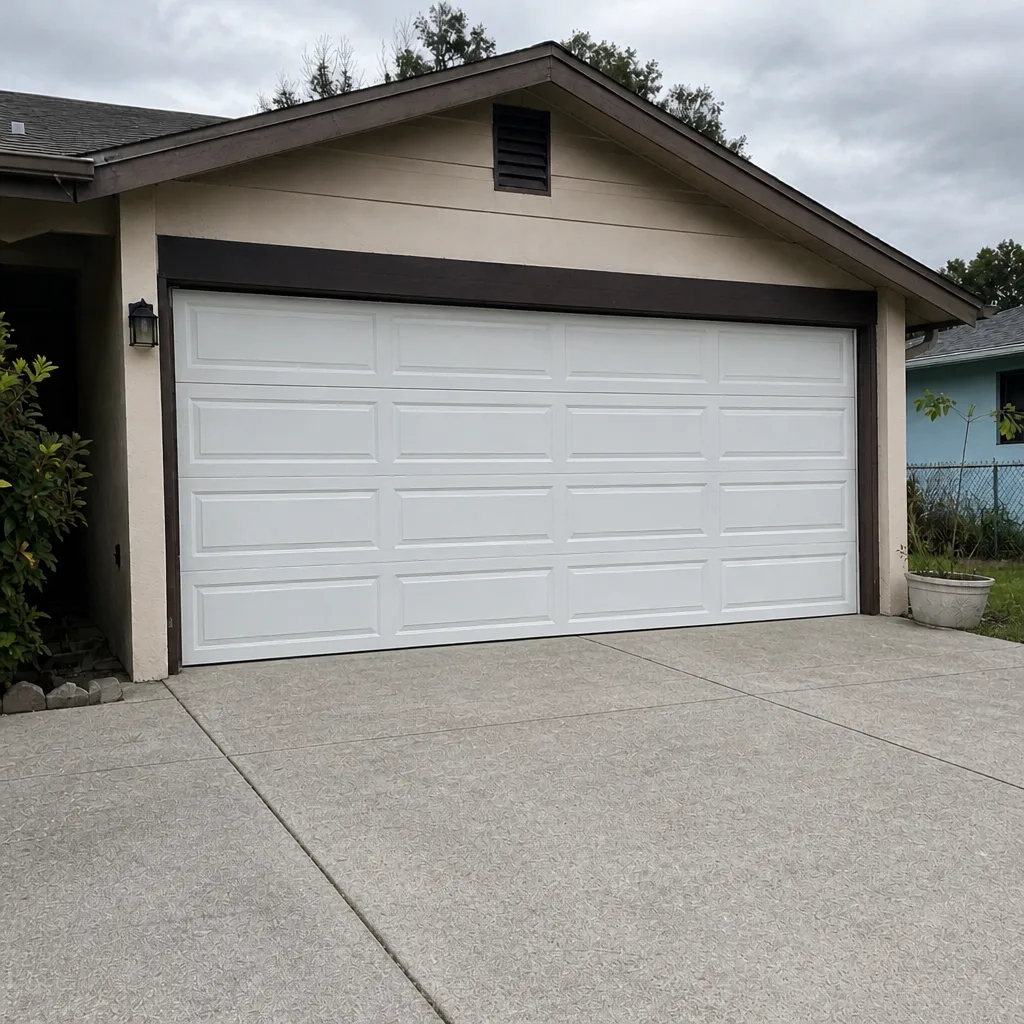
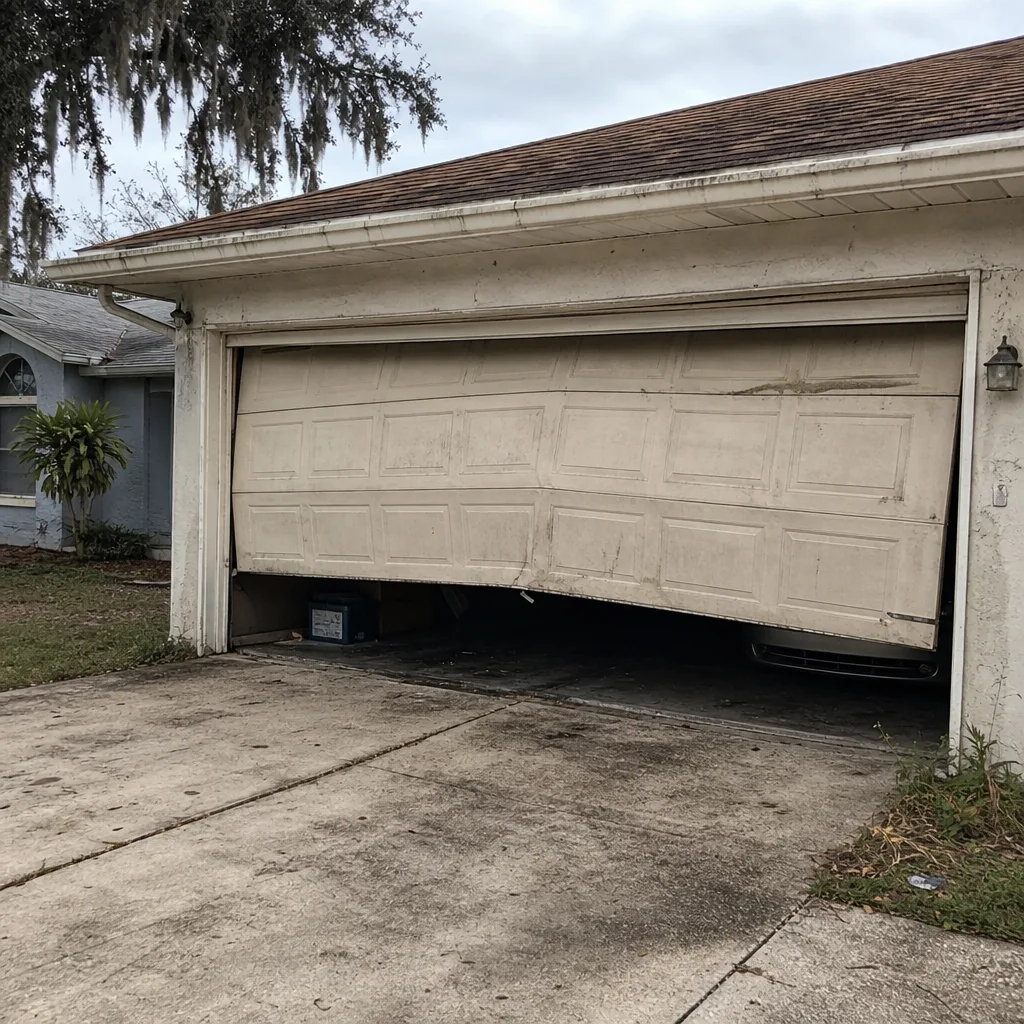
See the difference
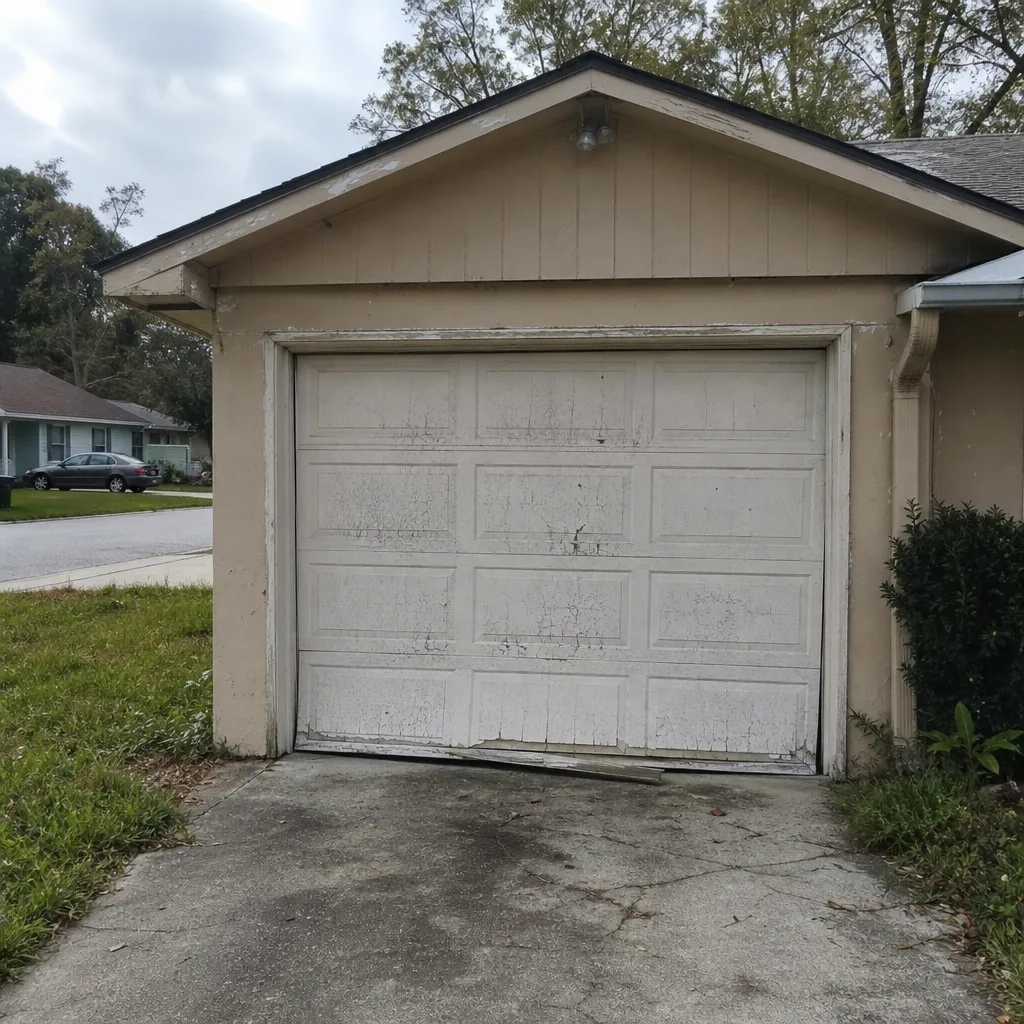 Before
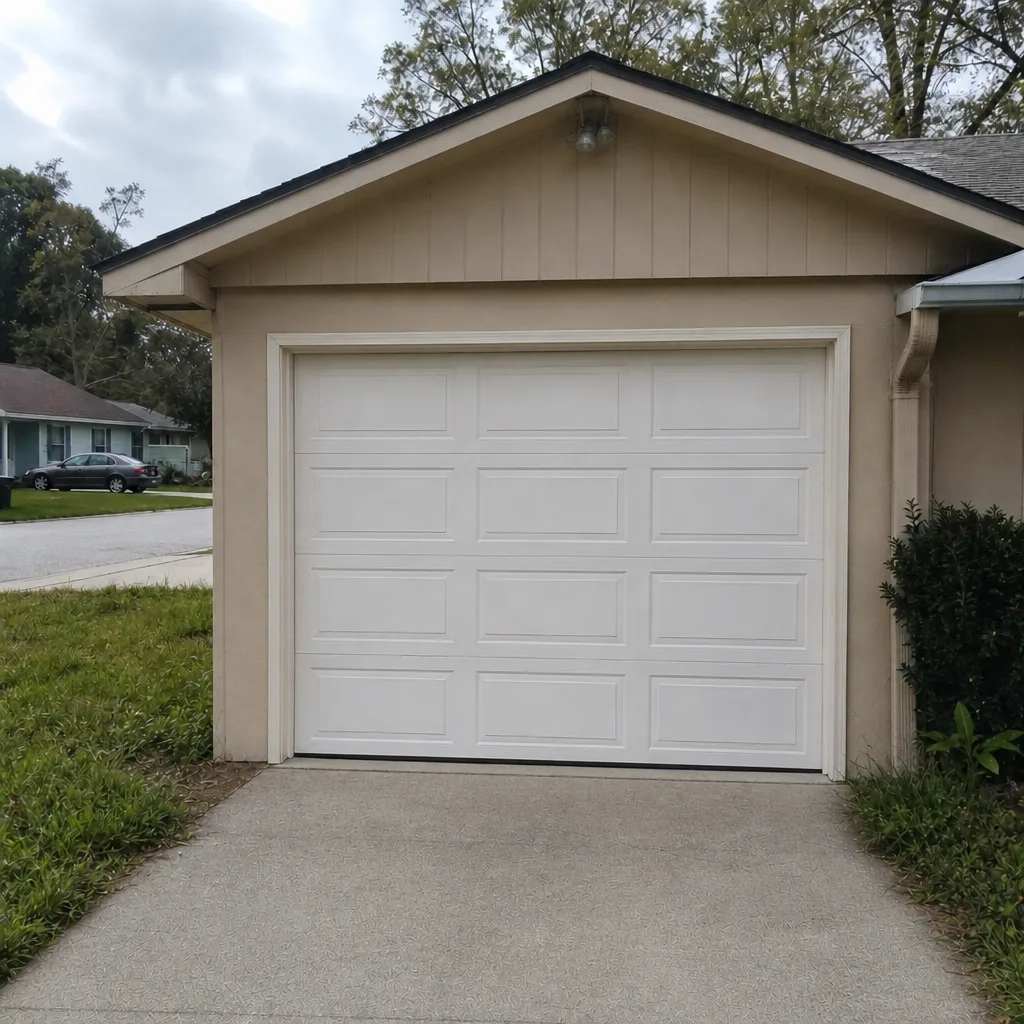 After
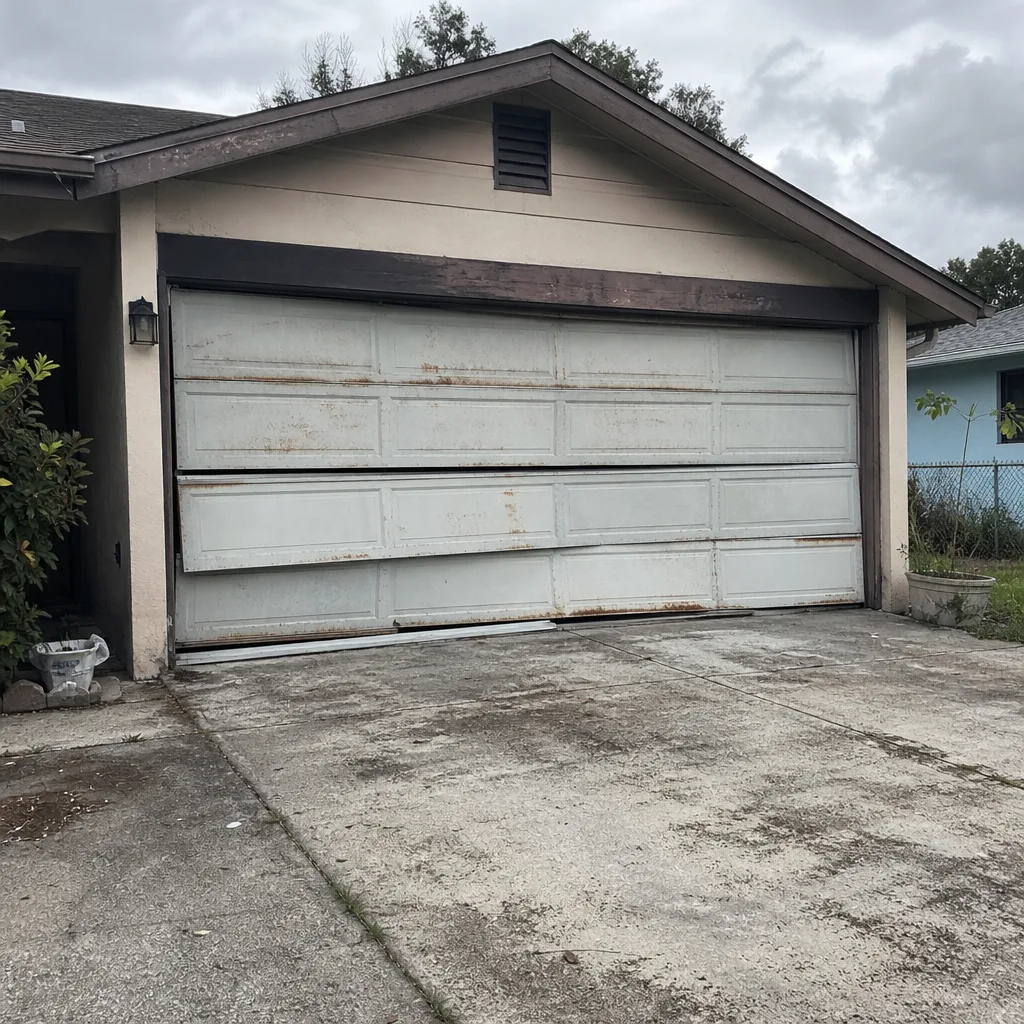 Before
 After
 Before
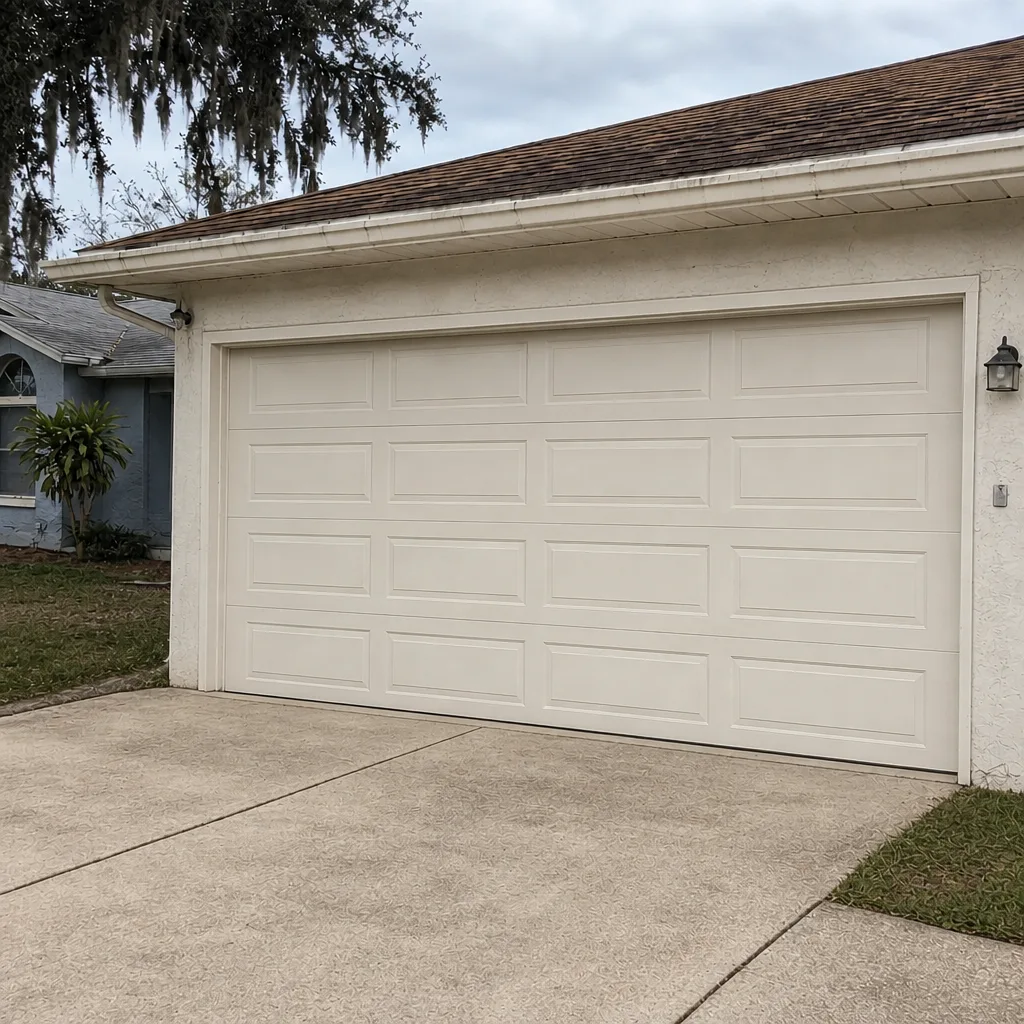 After